Introduction
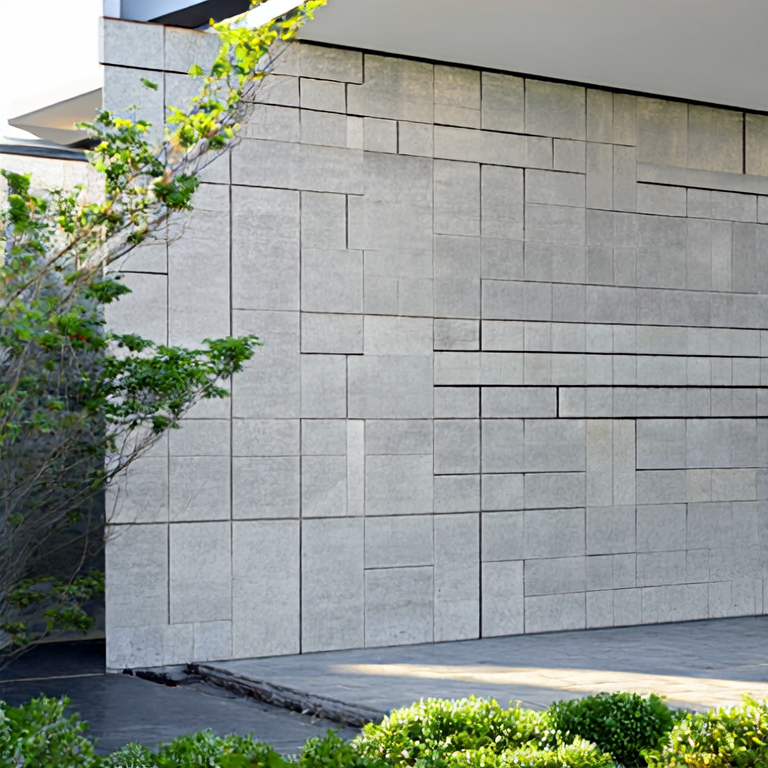
The use of limestone tiles is crucial in eco-friendly buildings. As we face environmental challenges, finding sustainable materials is essential. Limestone is a great solution due to its benefits. Many builders are switching to limestone to reduce their carbon footprint. This effective application contributes significantly to green architecture. Its sustainable properties make it a top choice in modern construction.
Summary Answer
**Limestone tiles are environmentally friendly, durable, and aesthetically pleasing materials ideal for eco-friendly buildings.** They help reduce energy consumption and can be recycled, making them a sustainable choice.
1. Benefits of Limestone Tiles
1.1 Durability
Limestone tiles are long-lasting. They can withstand harsh weather conditions and require minimal maintenance. This durability makes limestone an economical choice for builders.
1.2 Energy Efficiency
Using limestone tiles in buildings can improve energy efficiency. Their natural properties keep interiors cooler in summer and warmer in winter. This can help reduce energy bills.
1.3 Acoustic Insulation
Limestone also offers excellent sound insulation. This quality makes it suitable for residential and commercial buildings, promoting a quieter environment.
2. Sustainability in Construction
2.1 Lower Carbon Footprint
Choosing limestone tiles can result in a lower carbon footprint. These tiles are locally sourced, reducing transportation emissions.
2.2 Easy to Recycle
At the end of their life cycle, limestone tiles can be recycled. This is beneficial for the environment as it reduces waste in landfills.
2.3 Biodegradable Options
Some limestone products are biodegradable. They break down naturally, making them a responsible choice for eco-friendly buildings.
3. Design and Aesthetic Value
3.1 Variety of Styles
Limestone tiles come in various styles and colors. Builders can choose tiles that fit specific architectural designs.
3.2 Natural Beauty
The natural textures and patterns of limestone enhance aesthetic appeal. This makes it a popular choice among architects and designers.
3.3 Compatibility with Other Materials
Limestone pairs well with different materials such as wood and glass. This versatility allows for innovative design solutions.
Conclusion
In summary, limestone tiles have many sustainable applications in eco-friendly buildings. Their durability, energy efficiency, and aesthetic value make them an ideal choice. By integrating limestone, builders can create structures that are both beautiful and environmentally responsible.
FAQ
What are limestone tiles made of?
Limestone tiles are made from sedimentary rock consisting mainly of calcium carbonate.
Can limestone tiles be used outdoors?
Yes, limestone tiles are suitable for outdoor use due to their durability.
Are limestone tiles expensive?
Prices vary based on quality and sourcing. Generally, limestone tiles are considered a cost-effective choice for their longevity.
How do I maintain limestone tiles?
Regular cleaning with a damp cloth and gentle detergent helps maintain their appearance.
Is limestone eco-friendly?
Yes, limestone is eco-friendly due to its natural composition and ability to be recycled.