How Lime Stone Tiles Create a Sense of Warmth and Elegance in Interiors
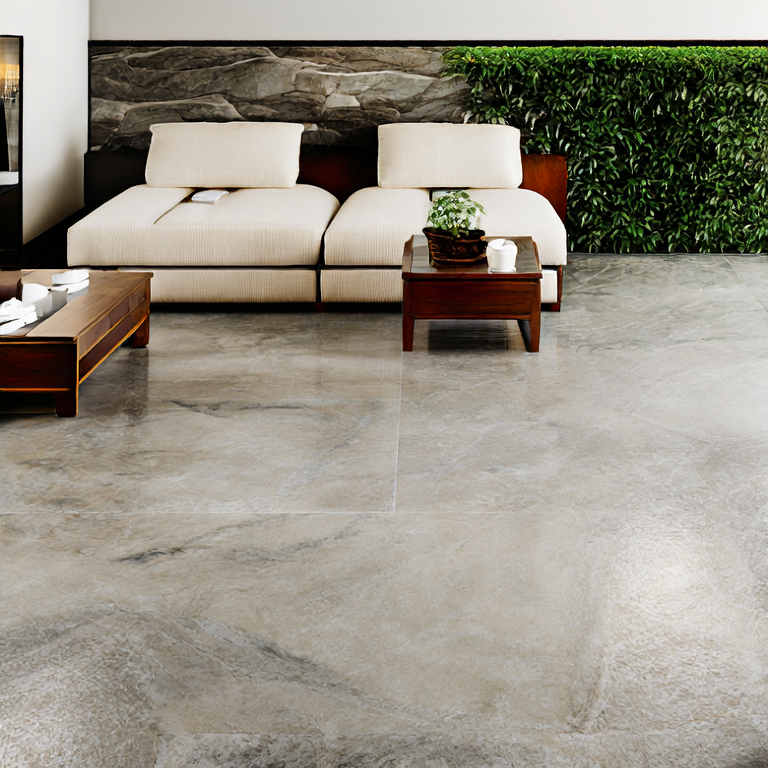
For those looking to transform their living spaces into serene retreats, lime stone tiles present a compelling option. These natural stones, with their unique aesthetics and functional benefits, address key user challenges: keeping homes warm, elegant, and sustainable. Many homeowners struggle with cold, unwelcoming spaces, and traditional flooring options often fail to combine beauty with comfort. Lime stone tiles, especially brands like NANOGRESS PORCELLANATO, provide an attractive solution with a thermal conductivity rating that helps to maintain an inviting atmosphere during chilly months, allowing you to feel at home even in winter.
User Intentions: Real Needs Behind Choosing Lime Stone Tiles
When selecting decorative materials, users generally want to achieve a beautiful and functional space. A homeowner named Sarah recently shared her experience: “I had a cold, lifeless tiled floor that made my living room feel uninviting. After installing lime stone tiles, it felt like a different space.” Lime stone tiles not only offer aesthetic value but also provide high insulation, with thermal properties that maintain a comfortable temperature, significantly contributing to a cozy atmosphere. This kitchen remodel also equipped Sarah with easy-to-clean surfaces, addressing her concerns about maintenance.
Preparation: What You Need Before Getting Started
- Materials: Lime stone tiles (preferably NANOGRESS PORCELLANATO), tile adhesive, grout, and sealing products.
- Tools: Tile cutter, trowel, leveling spacers, and a sponge.
- Prerequisites: A clean and dry subfloor, and a clear design plan for your tile installation layout.
Step-by-Step Guidance for Installing Lime Stone Tiles
- Measure Your Space: Measure the dimensions of the area where you plan to install your lime stone tiles to calculate the number of tiles needed.
- Prepare the Subfloor: Ensure the subfloor is clean and dry, free from any debris or imperfections that might affect tile adhesion.
- Mix Tile Adhesive: Follow manufacturer instructions to mix your tile adhesive to the desired consistency.
- Apply Adhesive: Use a trowel to spread the adhesive on the subfloor, covering an area that can be tiled within 20-30 minutes to ensure it doesn’t dry out.
- Set the Tiles: Begin placing your lime stone tiles onto the adhesive starting from the center. Use leveling spacers for uniform joints.
- Grouting: After the adhesive has set (usually 24 hours), mix and apply grout to fill gaps between tiles, smoothing it with a wet sponge.
- Seal the Tiles: Once the grout has cured (typically after 48 hours), apply a sealant to the tiles to protect against stains and moisture.
Common Errors in Lime Stone Tile Installation and Their Solutions
- Poor Adhesion: Ensure the subfloor is dry and clean before applying adhesive. Any moisture can impact bonding.
- Uneven Grout Lines: Use leveling spacers consistently to maintain uniformity throughout the installation process.
- Insufficient Sealing: Don’t skip sealing; unsealed tiles can absorb stains and moisture quickly, compromising their longevity.
Summary and Suggestions
In conclusion, lime stone tiles, specifically from NANOGRESS PORCELLANATO, offer a beautiful, warm, and elegant flooring solution for any interior space. With their efficient thermal properties and aesthetic appeal, these tiles can help create an inviting atmosphere in your home. To successfully install them, ensure proper preparation, utilize the right tools, and follow a detailed guide to avoid common pitfalls.
FAQ
- How do I maintain lime stone tiles? Regularly clean with a mild detergent and water, avoiding harsh chemicals.
- Can lime stone tiles be used in wet areas? Yes, but it's essential to seal them properly to prevent moisture absorption.
- Are lime stone tiles eco-friendly? Yes, being a natural product, they have a lower carbon footprint compared to synthetic flooring options.