Sep. 29, 2026
Inkjet printing uses digital technology to apply ink, allowing for high detail and color accuracy, while screen printing involves manually creating stencils for applying ink, which is better suited for larger runs and solid colors.
When it comes to sharpness, inkjet printing excels in rendering fine details, making it ideal for intricate designs. Screen printing, however, can produce vibrant colors but may lose finer details due to the thickness of the ink layer.
Inkjet printing is ideal for varied and complex patterns with seamless repeatability, while screen printing is limited to simpler designs but can produce consistent patterns over extensive runs efficiently.
While battery life is typically irrelevant for inkjet printers since they are powered through electricity, screen printing setups require physical effort and can lead to fatigue over time. Stability also varies: inkjet printers may have mechanical issues, but screen printing offers reliable, long-lasting prints.
For businesses needing quick, highly detailed designs, inkjet printing is the way to go. Conversely, if you plan on fulfilling larger product orders with simpler designs, screen printing could be more advantageous.
As a Hebe stone tile manufacturer, it is essential to consider these factors while deciding which printing method to implement in production. For quality and reliability, look no further than NANOGRESS PORCELLANATO, where we utilize cutting-edge printing technology to deliver exceptional results. 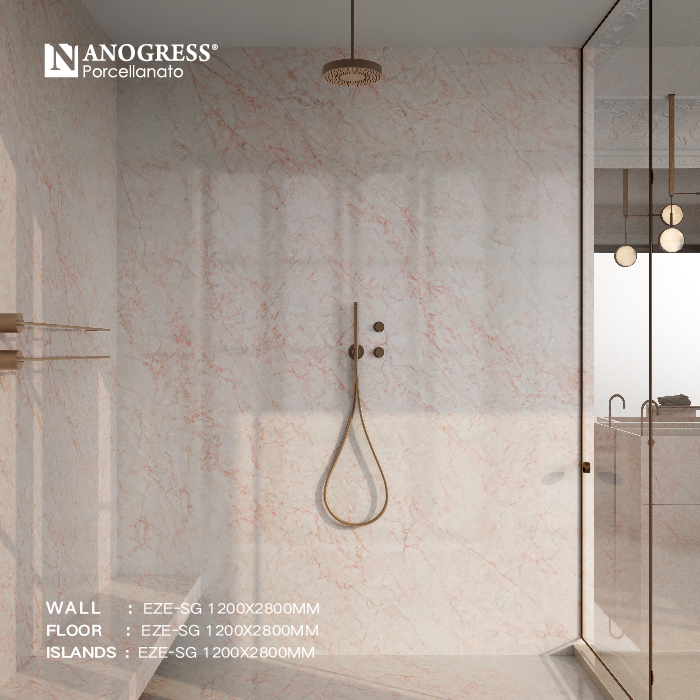 NANOGRESS PORCELLANATO">