Jun. 07, 2024
Elevating Craftsmanship: The NANOGRESS Legacy of Excellence
Embark on a journey with NANOGRESS, a beacon of craftsmanship and quality in the tile industry. Founded in Milan, Italy, NANOGRESS has seamlessly melded Italian sophistication with a global vision, establishing itself as a premier international tile conglomerate.

Aug. 07, 2026
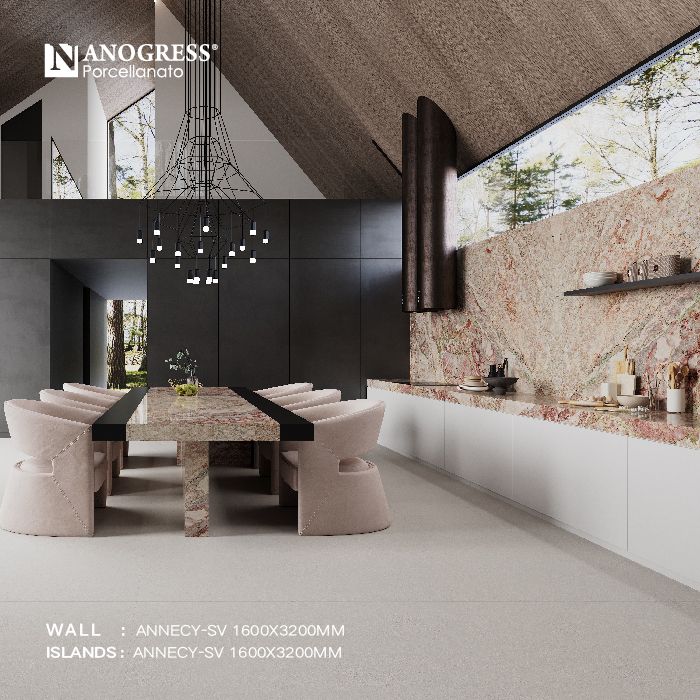
How Hebe’s R&D team replicates a sample from your reference image or material.
When you're striving to produce high-quality stone tiles that meet the exact specifications of your projects, Hebe's R&D team has the solution you need. We offer a clear, actionable methodology to replicate any sample you provide, ensuring precision and consistency throughout the process. In this article, I will walk you through the steps required to have your custom designs flawlessly recreated
Aug. 07, 2026
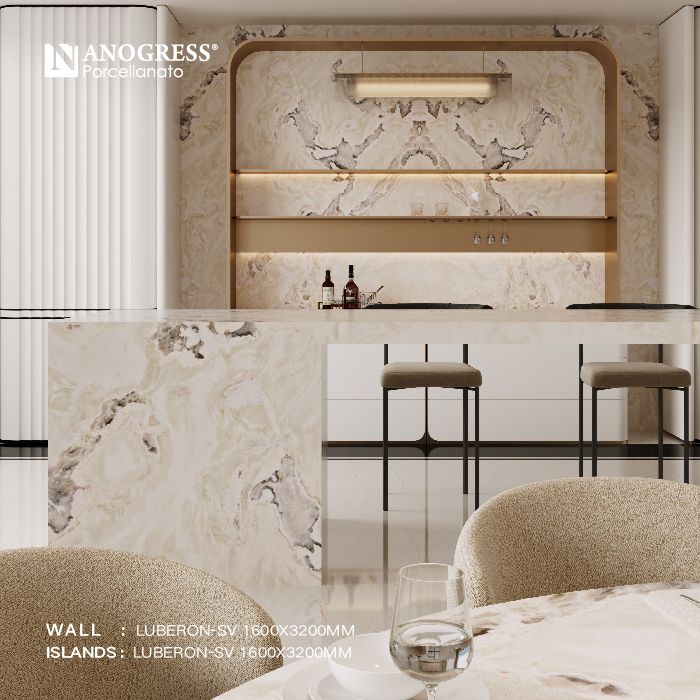
How Hebe packages tiles to prevent breakage during sea freight to Europe or North America.
Shipping tiles across oceans poses significant risks of breakage, which can lead to financial losses and dissatisfied customers. At Hebe, a leading manufacturer of stone tiles including the innovative NANOGRESS PORCELLANATO, we have developed a meticulous packaging process designed specifically to mitigate these risks. In this article, I will guide you through the effective steps we take to
Aug. 07, 2026
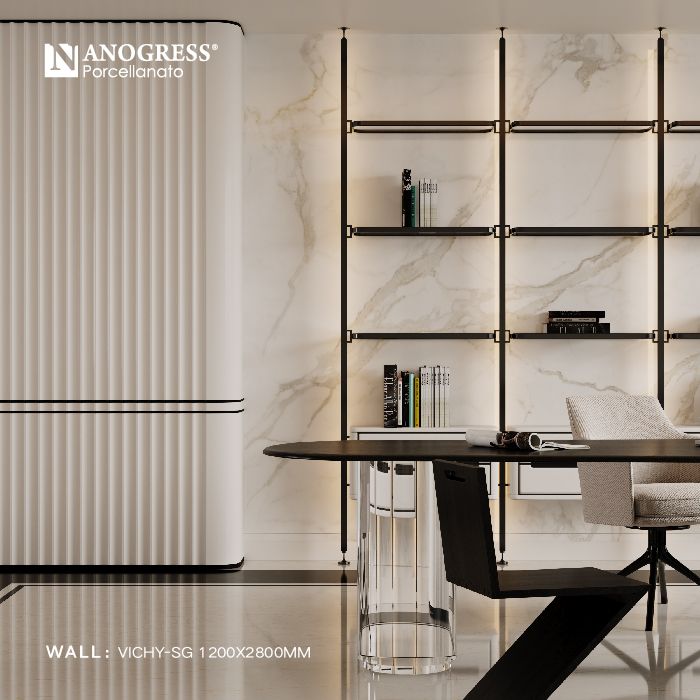
How Hebe tests for abrasion resistance (PEI rating) and provides certified reports.
When selecting flooring options, users often seek information about abrasion resistance, a key performance factor reflected in the PEI (Porcelain Enamel Institute) rating. Many homeowners face the dilemma of choosing the right tile, leading to concerns over durability and long-term performance. For instance, consider a family with kids and pets that worry about scratch marks and wear from daily
Aug. 07, 2026
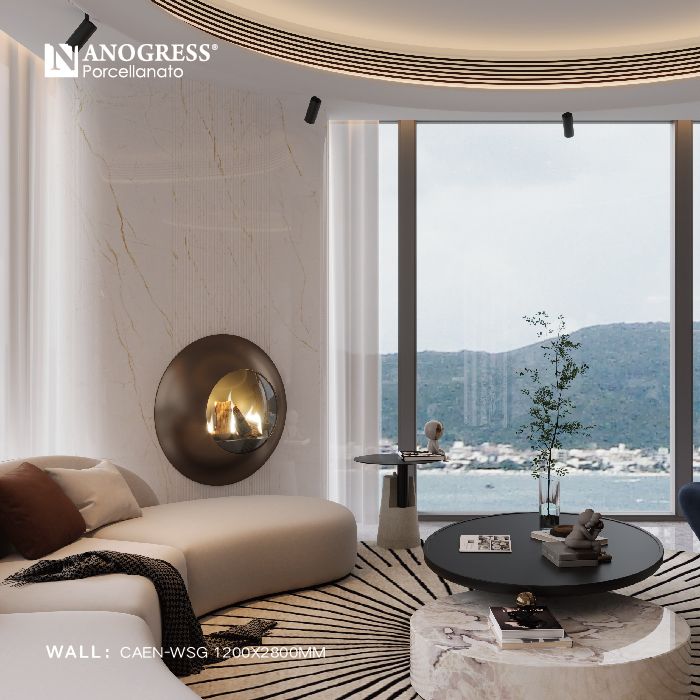
How Hebe ensures color consistency across different production batches.
In the world of manufacturing, achieving color consistency is paramount, particularly for those working with materials like Hebe stone tiles. Users often confront significant challenges related to color uniformity across different production batches, leading to mismatched aesthetics and dissatisfaction. Common scenarios include clients receiving a shipment of tiles that differ from their initial